
Scientific research
Our products undergo rigorous testing that confirms their effectiveness in reducing the impact of electromagnetic fields. We prioritize transparency and the highest quality standards so that everyone can be confident they are using safe and verified solutions.
Certificates
ADR System holds numerous quality and safety certificates issued by recognized institutions. Each certificate confirms the compliance of our products with international standards and verifies their effectiveness and reliability, providing clear evidence of their consistent performance in real-world applications. ISO 21702, ISO 22196, ISO 16000, ISO 2409
Virucidal analysis of paint samples
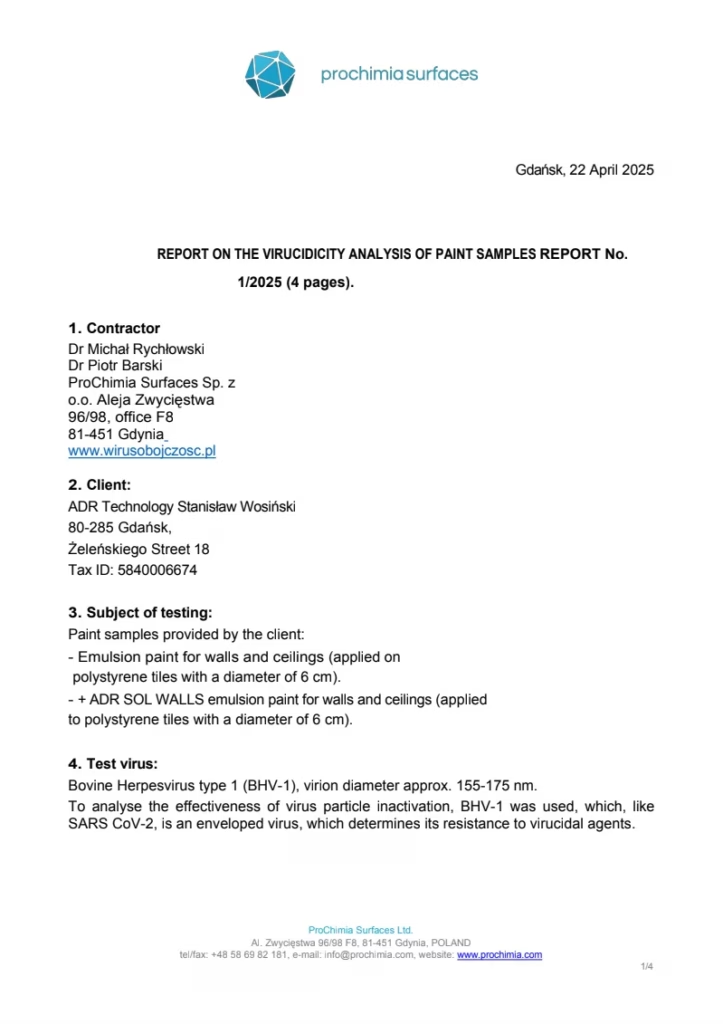
The presented document is a report on the virucidal analysis of paint samples, conducted by ProChimia Surfaces Sp. z o.o. on behalf of ADR Technology. The main objective of the study was to assess the effectiveness of viral particle inactivation by two types of emulsion paints: a standard one and one enriched with the ADR SOL WALLS impregnation. The tests used Bovine Herpesvirus type 1 (BHV-1), and the methodology was based on the guidelines of ISO 21702. The results showed that the paint with the addition of ADR SOL WALLS exhibited virucidal activity, reducing the virus titer by over 2 log, in contrast to the plain emulsion paint.
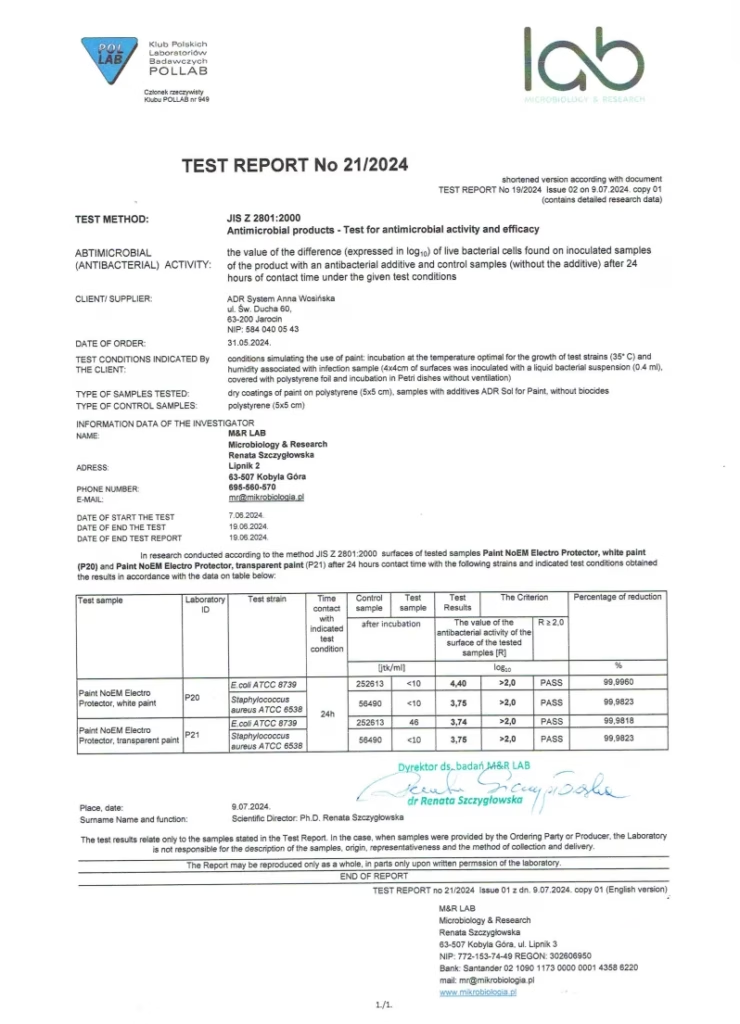
Analysis of antibacterial efficacy
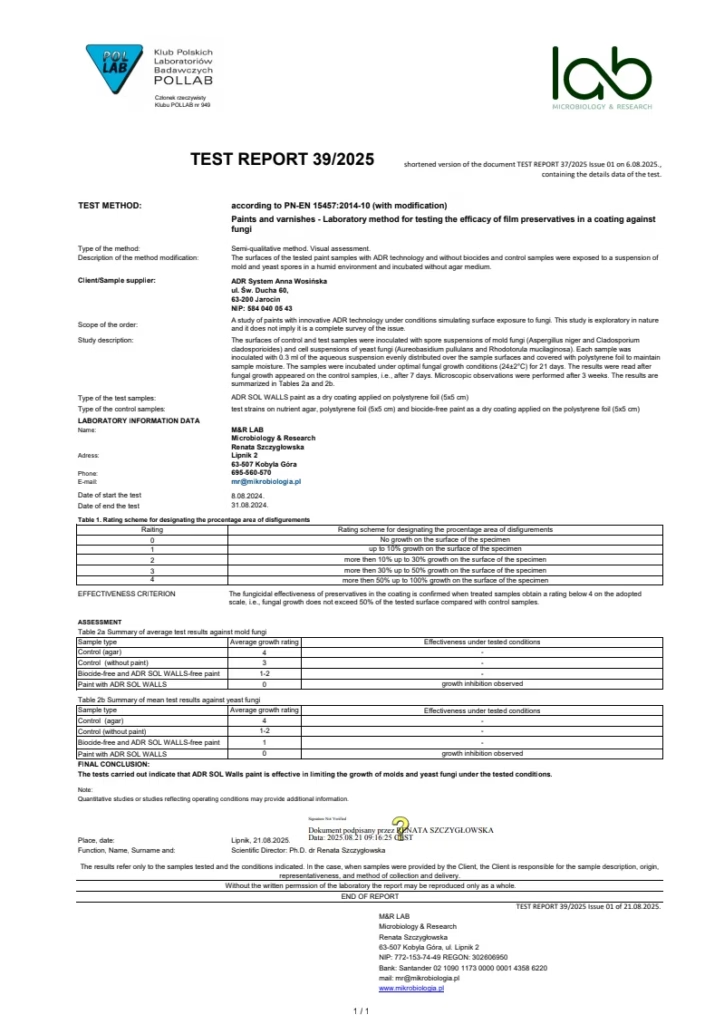
Effectiveness of the ADR SOL WALLS coating against fungi
Report on laboratory tests conducted by Microbiology & Research, commissioned by ADR System. The purpose of the tests was to evaluate the effectiveness of ADR SOL WALLS paint in protection against mold and yeast fungi. The tests, carried out in accordance with the standard PN EN 15457:2014-10 (with modifications), involved exposing paint samples and control samples to suspensions of fungal spores in a humid environment. The report provides a detailed description of the methodology, fungal strains, incubation conditions, and presents the results of visual assessment of fungal growth on the samples, along with photographic documentation and a final conclusion on the effectiveness of the paint in limiting their growth.
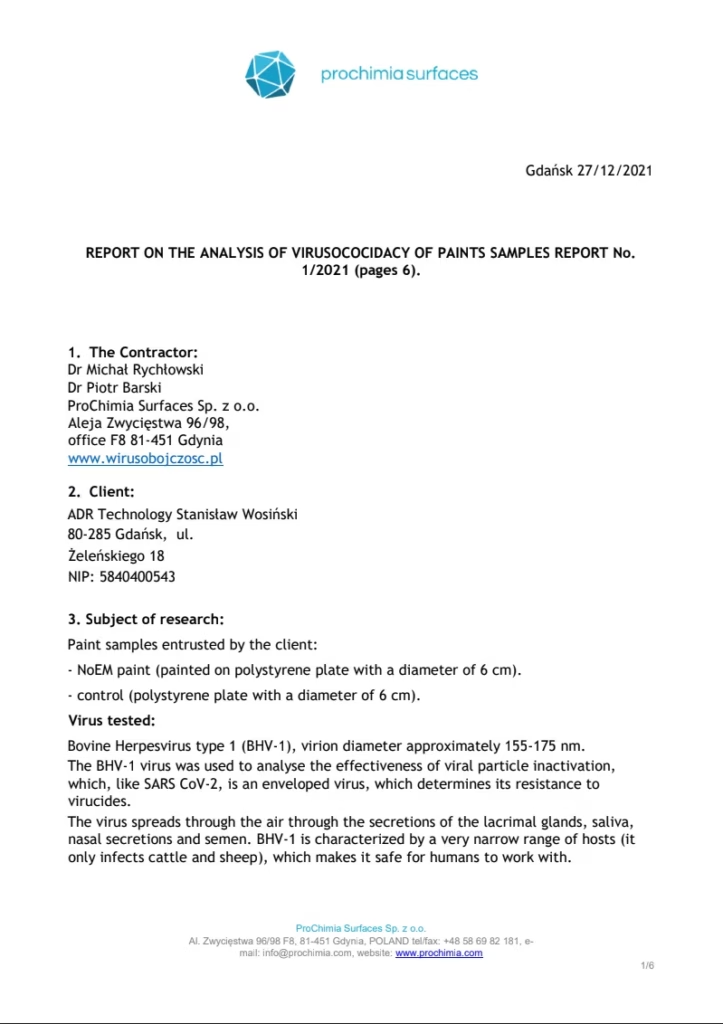
NoEM Paint: Proven effectiveness in virus elimination
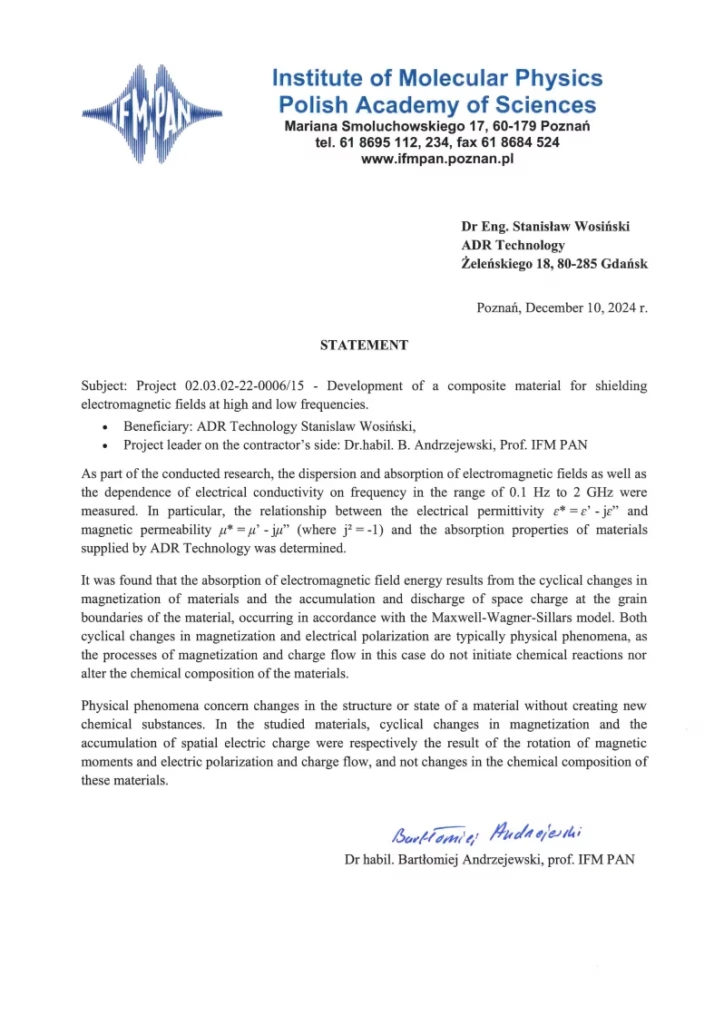
Expertise on the physical mechanisms in ADR Technology composite materials
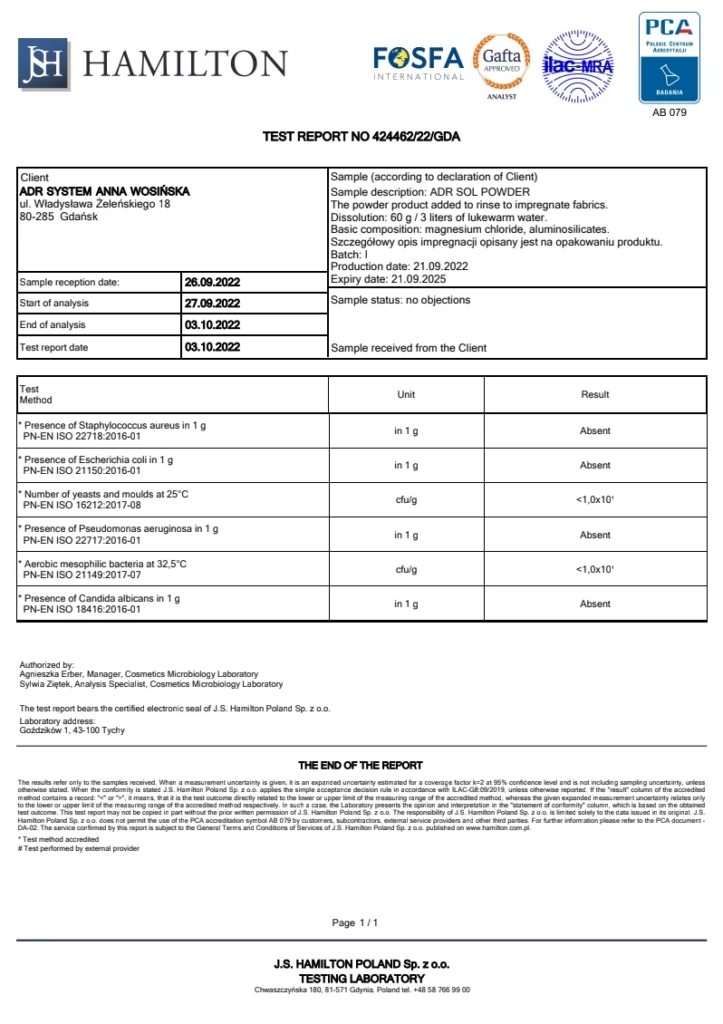
Microbiological testing of the ADR SOL POWDER product (currently ADR SOL Fabric)
Test Report numbered 424462/22/GDA, issued by J.S. Hamilton Poland Sp. z o.o. for ADR System. The report concerns the product named ADR SOL POWDER, described as a fabric impregnation powder containing magnesium chloride and aluminosilicates. The report provides detailed results of microbiological analyses of the sample, checking for the presence of various bacteria and fungi, such as Staphylococcus aureus, Escherichia coli, Pseudomonas aeruginosa, and Candida albicans, as well as the overall count of yeasts, molds, and aerobic bacteria. The document also includes dates of key stages of the tests and authorization information and the general terms of laboratory services.
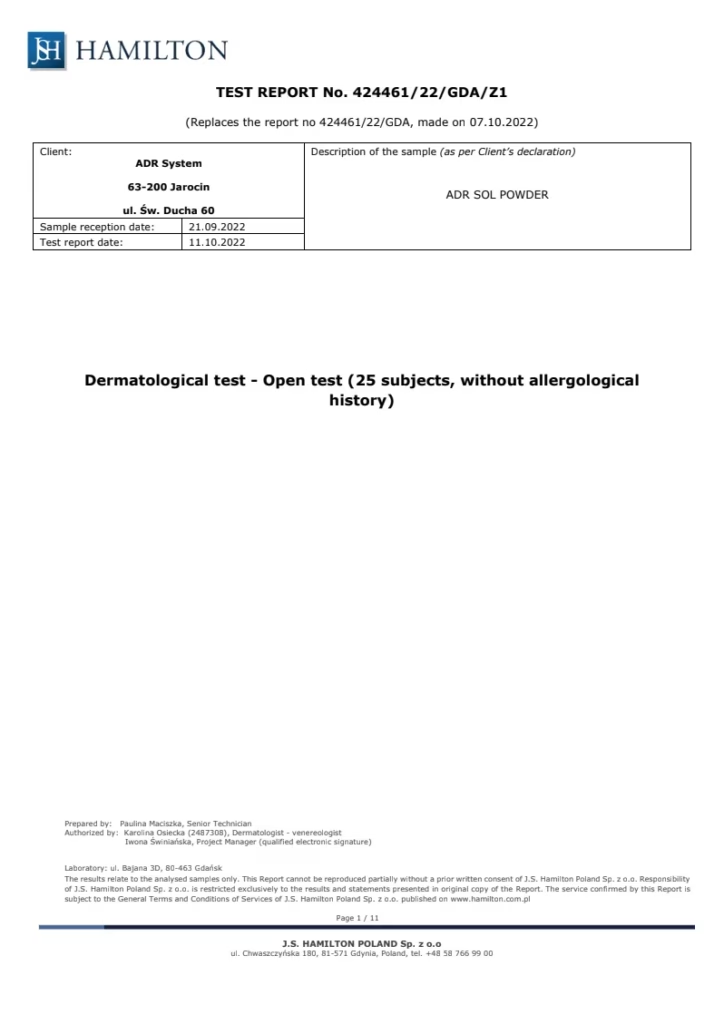
Dermatological testing of ADR SOL POWDER in an open test
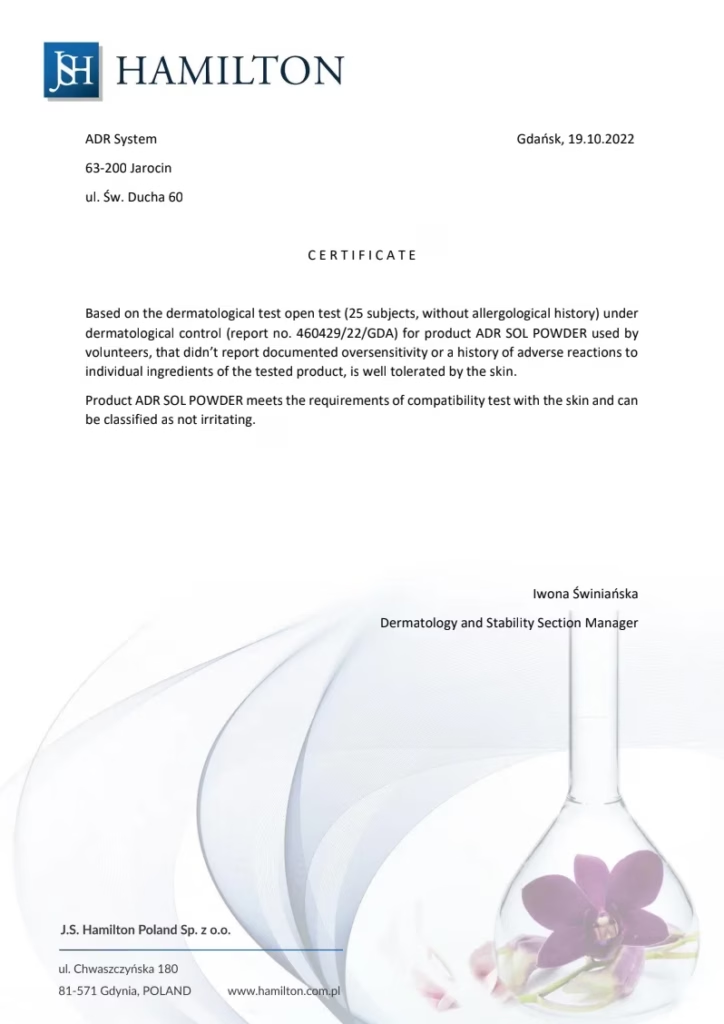
Confirmation of skin compatibility for ADR SOL POWDER
Safety data for ADR SOL POWDER
VOC emission tests performed on paint mixed with ADR SOL in accordance with ISO 16000
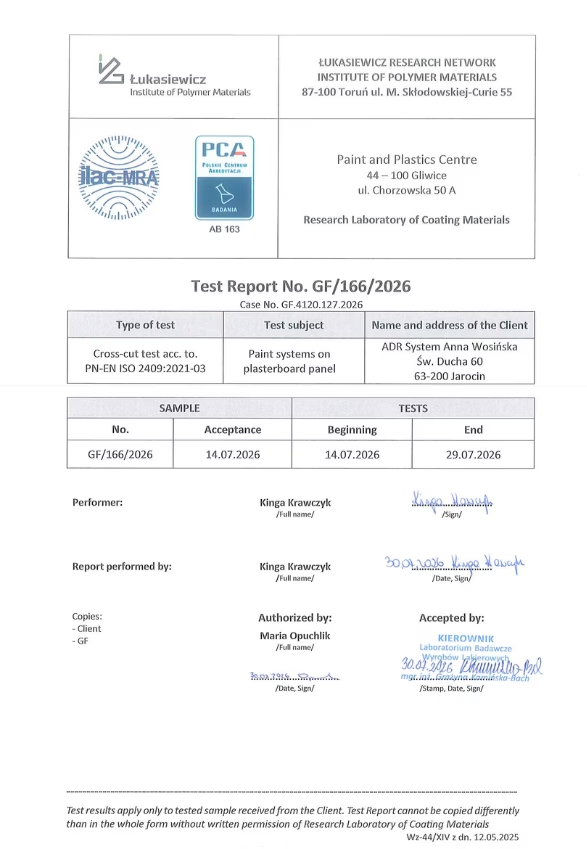
TEST REPORT NO. GF/166/2026: CROSS-CUT TEST IN ACCORDANCE WITH PN-EN ISO 2409:2021-03
Confirmed adhesion performance of paint systems with ADR SOL Walls
This document is a cross-cut adhesion test report, conducted by the Łukasiewicz Research Network – Institute of Polymer Materials (Paint and Plastics Centre, Gliwice), an accredited laboratory (PCA Accreditation No. AB 163), on behalf of ADR System. The study evaluated the adhesion strength of paint systems incorporating ADR SOL Walls impregnant, applied to plasterboard panels in four different configurations, and benchmarked against a standard primer-and-paint control sample. Testing followed the internationally recognised PN-EN ISO 2409:2021-03 method, using a precision cross-cut cutter and standardised tape-removal technique to assess coating adhesion after the required 28-day conditioning period. The results confirmed strong adhesion across the tested systems, with samples rated in the highest performance bands of the standard’s classification scale — demonstrating that ADR SOL Walls integrates seamlessly into a paint system without compromising the coating’s bond to the wall surface, even across multiple impregnant and paint layers.
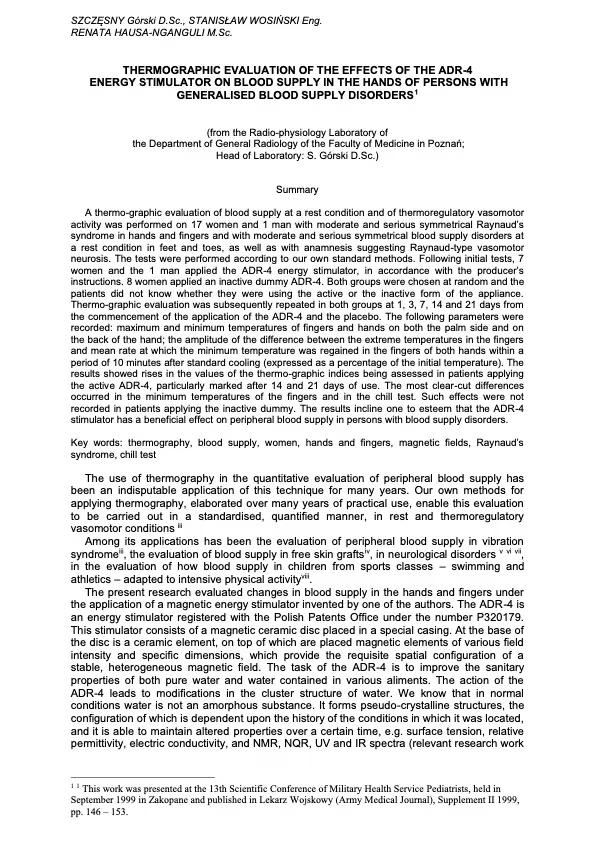
SZCZESNY GORSKI D.Sc., STANISŁAW WOSIŃSKI ENG. RENATA HAUSA-NGANGULI M.SC.
Thermographic assessment of hand blood supply in individuals with circulatory disorders using the ADR-4 stimulator
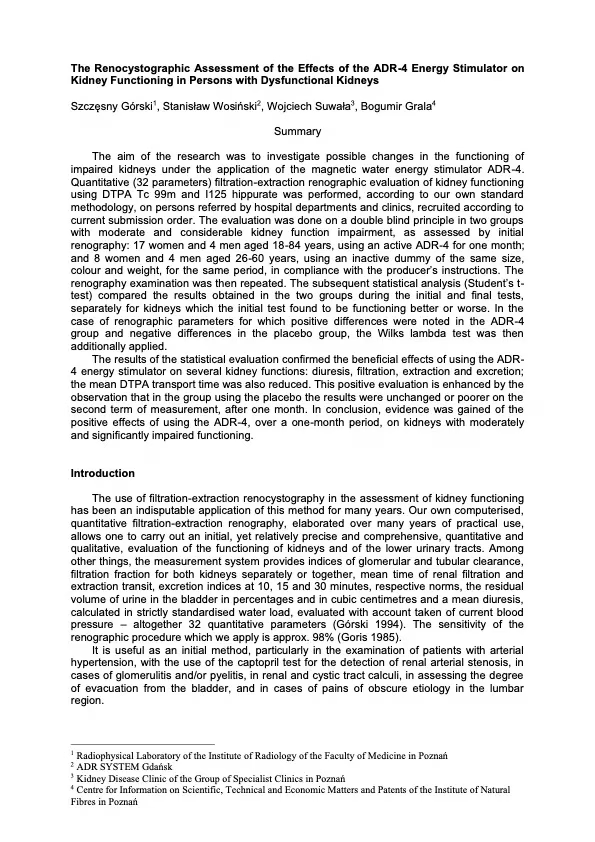
Szczęsny Górski, Stanisław Wosiński, Wojciech Suwała, Bogumir Grala
Clinical evaluation of the effectiveness of the ADR-4 stimulator in renal dysfunction
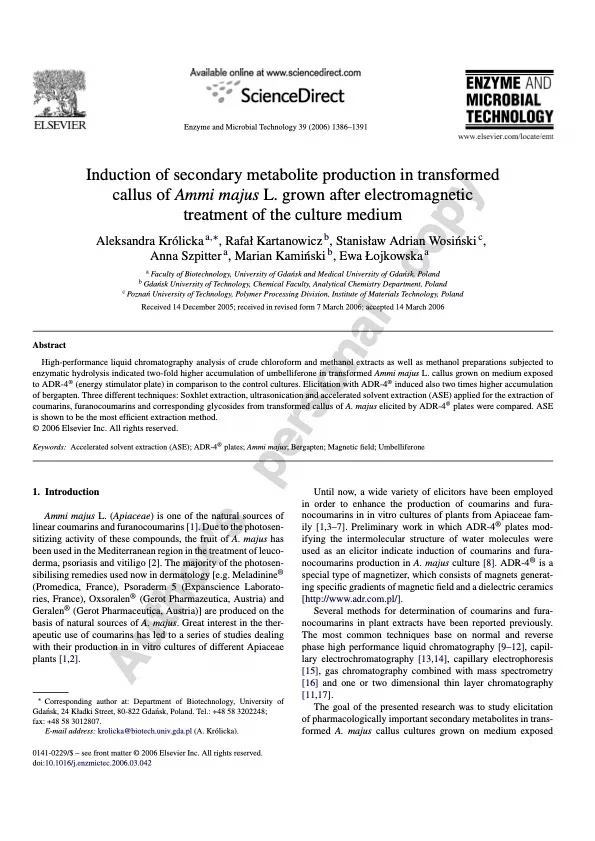
A. Królicka, R. Kartanowicz, S. A. Wosiński, A. Szpitter, M. Kamiński, E. Łojkowska Enzyme and Microbial Technology 2006
Electromagnetic stimulation and its effect on increasing the production of biologically active compounds in Ammi majus in vitro cultures
Publications
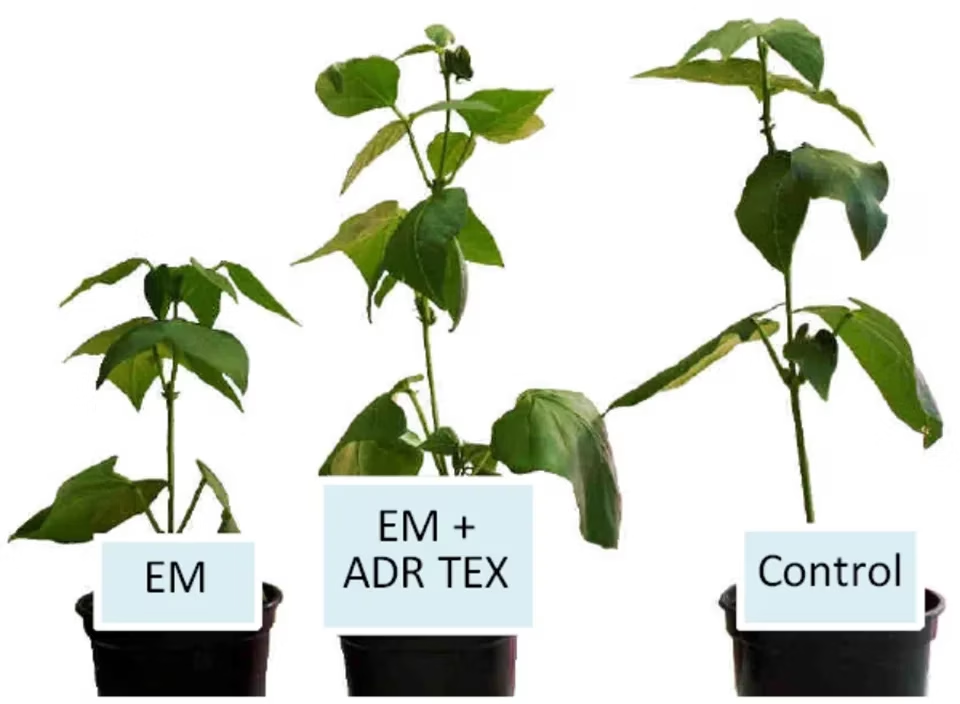


Effect of electromagnetic fields on dwarf bean growth
The study examines how electromagnetic fields and their shielding influence plant growth. Results confirm a measurable impact on development depending on exposure conditions.
Impact of low-frequency electric field shielding on human sperm motility
This research presents the effect of shielding low-frequency electric fields on sperm motility. Findings indicate significant changes in biological activity under controlled conditions.
Influence of electromagnetic fields on carrot seed quality
The study investigates how electromagnetic fields and shielding affect seed quality. Results suggest a correlation between exposure and germination performance.
Scientific foundations and proven effectiveness
Presented to you, the extensive documentation, including numerous research reports, certificates, and scientific opinions, which represents only a part of the long-term research and development process that forms the foundation of ADR technology. Our commitment to delivering products of the highest, consistent quality is based on solid scientific foundations, transparent collaboration with renowned research institutions, and rigorous testing aimed at verifying the effectiveness and safety of the solutions offered. We are proud to share these results with our partners – companies, distributors, and individual clients in Poland and around the world.
The effectiveness of our products, such as ADR SOL WALLS and ADR SOL FABRIC, has been confirmed through a series of specialized tests conducted by independent, accredited laboratories. These tests, carried out in accordance with international standards such as PN-EN and JIS, provide objective evidence of the unique properties of our technologies. These are typically physical phenomena that do not initiate chemical reactions or alter the chemical composition of materials. Changes occur at the level of the structure and state of the material – through rotations of magnetic moments and charge flow – rather than through the creation of new substances. This scientific explanation of the mechanism of action is crucial for understanding the durability and stability of the effects provided by our products and forms the foundation of our patents. Our work enables us to continuously improve ADR technology to deliver innovative and effective solutions to the global market.